
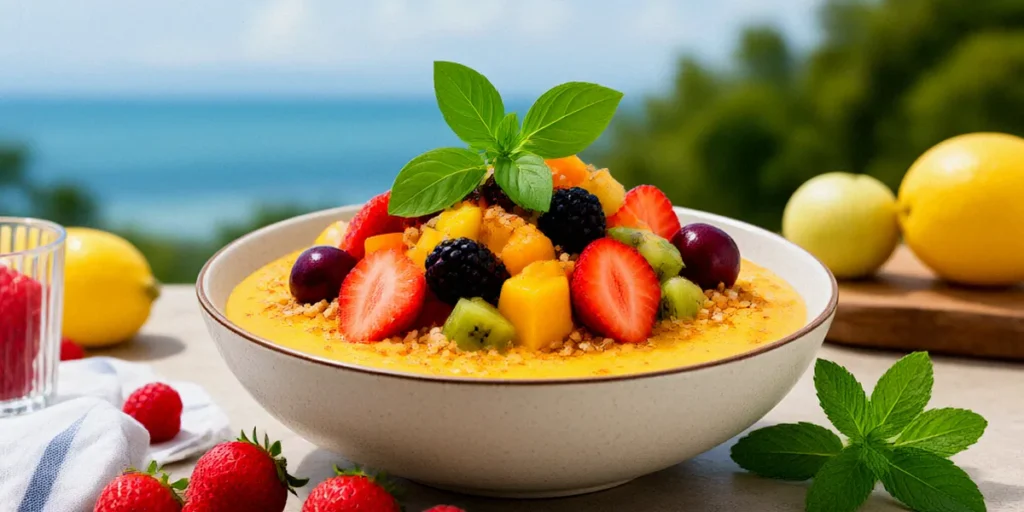
Australian Summer Fruit Desserts: Tarts, Pastries, and More
It’s 4pm on a 38-degree day in January, and the kitchen smells like ripe peaches and mangoes that are threatening to go over before dinner. The fruit bowl is overflowing, the flies are circling, and we’ve got a decision to make: eat it all standing over the sink, or turn it into something worth sharing. This is the annual Australian summer baking dilemma, and honestly, it’s the best problem to have. Our team spends most of December and January working through tarts, pastries, and chocolate finishes that let this fruit do the talking — and here’s how we approach it when the mercury climbs.
Why Australian Summer Fruit Deserves Star Treatment
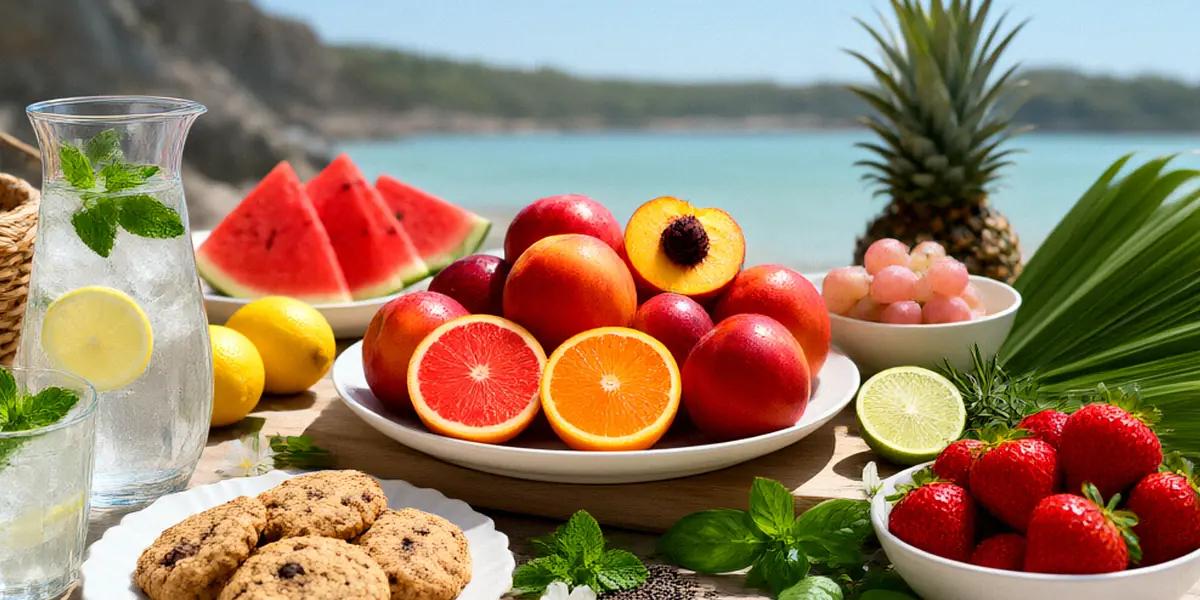
We’re lucky enough to bake in a country where a Kensington Pride mango — a popular Australian summer variety with that distinctive turpentine tang and creamy flesh — can be picked up from a roadside stall for a few dollars. Queensland peaches arrive dripping, Tasmanian cherries snap when you bite them, and the whole thing happens in a window of about eight weeks. That intensity of flavour is the point.
When fruit is this sweet and aromatic, the pastry chef’s job shifts. We’re not adding sugar to compensate for bland produce; we’re using technique to frame what’s already there. That means less sugar in the frangipane, less glaze on the tart, and more attention to the things that actually matter — a crisp shell, a clean temper on the chocolate, and fruit that hasn’t been cooked into mush.
The Best Local Fruits for Desserts
Across a summer season, we’ll work through most of the following:
- Kensington Pride mangoes — the benchmark for mousse, sorbet, and layered tarts. Bowen and Darwin crops arrive first, followed by Queensland.
- Queensland and Riverland peaches and nectarines — best for tarts where the fruit holds its shape after baking.
- Tasmanian cherries — short season, high acid, perfect for clafoutis and chocolate-dipped garnishes.
- Berries — Victorian and Tasmanian raspberries, blueberries, and blackberries, best used raw or barely cooked.
- Passionfruit — the acidity that cuts through cream, curd, and posset.
- Finger limes — a native Australian citrus whose pearl-like vesicles make an extraordinary garnish on tarts and pavlovas.
How to Choose Ripe Fruit at the Market
Smell is the most reliable test. A ripe Kensington Pride mango gives off a floral, resinous perfume at the stem end; if there’s nothing, it isn’t ready. Peaches should have a slight give at the shoulder rather than the tip, and cherries should be firm with green, flexible stems. For berries, look at the base of the punnet — any staining means crushed fruit underneath. Buy fruit a day or two before you plan to bake and let it finish ripening on the bench, not in the fridge.
Essential Pastry Techniques for Summer Tarts
Humid Australian summers are genuinely hostile to pastry. Butter softens on the bench in minutes, doughs sweat, and a tart shell that behaved perfectly in July will slump in February. The fix isn’t complicated — it’s just discipline about temperature.
We keep everything cold: butter straight from the fridge, cut into cubes and returned to the fridge while we weigh the dry ingredients. A food processor is our preferred tool because it works fast, and speed is everything here. We use Western Star butter, a common brand in Australian baking, because its fat content is consistent and it handles the heat reasonably well. For flour, Lighthouse pastry flour gives a finer, shorter crumb than plain flour and is worth seeking out.
Making and Resting Pâte Sablée
Pâte sablée is our default summer tart shell — sweet, sandy, and sturdy enough to hold wet fruit. Pulse cold butter, flour, icing sugar, and a pinch of salt until it resembles coarse breadcrumbs, then add a beaten egg yolk and a tablespoon of ice-cold water. Stop the moment the dough clumps. Tip it out, bring it together with the heel of your hand, flatten into a disc, wrap, and rest it in the fridge for at least two hours — overnight is better. Resting relaxes the gluten and re-solidifies the butter, which is what stops shrinkage later.
Blind Baking Without Shrinking
Shrinkage almost always comes down to three things: dough that wasn’t rested, dough that was stretched into the tin rather than gently pressed, and insufficient chilling before baking. Our process:
- Roll the rested dough between two sheets of baking paper to about 3mm.
- Peel off the top sheet, invert into the tart tin, and press the dough into the corners without pulling.
- Trim the edges with a knife, leaving a small overhang.
- Freeze the lined tin for 20 minutes.
- Line with crumpled baking paper, fill with baking weights or dried rice, and bake at 180°C for 15 minutes.
- Remove the weights and paper, and bake a further 8–10 minutes until pale gold.
If the shell puffs during the first stage, just press it back down with a spoon — that’s normal.
Troubleshooting Soggy Bases
A soggy base is almost always a moisture problem. Brush the warm par-baked shell with a thin layer of beaten egg white or melted white chocolate and return it to the oven for two minutes — this creates a waterproof seal. If you’re filling with very juicy fruit, toss the fruit in a little cornflour or tapioca starch first. And never fill a shell while it’s still hot; the steam has to escape before the filling goes in.
Tempering Chocolate for Summer Desserts
Tempering is the difference between a chocolate garnish that snaps and shines and one that looks like it’s been left in the car. In an Australian summer kitchen, where ambient temperatures sit above 30°C, untempered chocolate blooms within minutes. We use Callebaut chocolate, which is often used for tempering by home bakers, because the couverture has a high cocoa butter content and behaves predictably. Lindt blocks work well too if you’re working in smaller quantities.
The Seeding Method Step by Step
- Chop two-thirds of your chocolate finely and place it in a heatproof bowl over barely simmering water.
- Melt to 45°C for dark chocolate (or 40°C for milk and white), stirring gently.
- Remove from the heat and add the remaining third, chopped, as your “seed.”
- Stir continuously until the seed has melted and the chocolate has dropped to 31–32°C for dark, 29–30°C for milk, or 27–28°C for white.
- Test the temper, then use immediately.
Testing Temper Without a Thermometer
Dip the tip of a clean knife into the chocolate and set it on the bench for five minutes. If it sets glossy and firm with a clean snap, you’re in temper. If it stays tacky or streaks with grey, it needs more seeding and stirring. On hot days, work in the coolest part of the house — early morning is ideal.
Common Tempering Mistakes in Heat
The biggest error is letting the bowl sit over steam too long, which pushes the chocolate past 50°C and burns the cocoa solids. The second is working in a warm room without a plan — if your kitchen is 32°C, your chocolate will struggle no matter how good your technique. Chill your bowl and spatula beforehand, and if you’re dipping strawberries, refrigerate them first so the chocolate sets on contact.
No-Bake and Chilled Desserts for Hot Days
There are days in February when turning on the oven is simply not happening. That’s when we shift to set desserts — mousses, possets, and pavlovas — which rely on cream, gelatine, and fruit rather than pastry. Bulla cream is an Australian dairy brand frequently used in desserts, and its thickened cream whips reliably even in warm kitchens.
Mango and Passionfruit Mousse
Purée two ripe Kensington Pride mangoes with the pulp of three passionfruit. Whip 300ml Bulla thickened cream with 60g caster sugar to soft peaks. Bloom 3 gelatine leaves in cold water, squeeze out, and dissolve in a little warm mango purée, then fold everything together. Set in glasses or a lined tart shell for four hours. The passionfruit acidity is what stops it becoming cloying.
Pavlova with Summer Berries
A proper pavlova has a crisp shell and a marshmallow centre, which means baking it low and slow — 120°C for about 90 minutes — ideally in the cool of the evening. Top with whipped Bulla cream, raspberries, sliced peaches, and a scatter of finger lime pearls. If you want a shortcut, Aeroplane jelly layered underneath the cream makes a nostalgic base that holds up well in the heat.
Layered Ice Cream Tarts
For the least effort-to-impact ratio, press a crushed biscuit and butter base into a tart tin, freeze for 20 minutes, then layer softened vanilla ice cream, mango sorbet, and a passionfruit ripple. Return to the freezer for at least three hours. Finish with tempered chocolate shards before serving.
Assembling and Serving Summer Fruit Desserts
Assembly is where a good dessert becomes a great one. The technique is minimal, but the payoff is high — a clean glaze, fruit arranged with intent, and a serving temperature that flatters everything on the plate.
Glazing and Garnishing
Warm two tablespoons of apricot jam with a teaspoon of water, strain it, and brush it over arranged fruit with a soft pastry brush. This seals the surface, prevents browning, and gives a professional sheen. For garnish, finger limes are a native Australian citrus used for garnishing — split one lengthways and use a small knife to scrape out the vesicles. Lemon myrtle, finely ground, adds a native citrus note to cream or mousse.
Make-Ahead and Travel Tips
Blind-baked tart shells keep for three days in an airtight container. Fill them the day you’re serving. If you’re transporting a tart to a barbecue, chill it thoroughly, keep it in its tin, and carry it flat on the floor of the car rather than the seat. A folded tea towel underneath absorbs vibration. For pavlova, transport the shell undressed and bring the cream and fruit separately.
Pairing with Australian Wines or Iced Tea
A fruit-forward tart with peaches or mangoes works beautifully with a Margaret River riesling or a King Valley prosecco. Chocolate-dipped strawberries want a shiraz or a fortified muscat. For non-drinkers, a cold-brewed hibiscus and lemon myrtle iced tea cuts through cream desserts better than anything else we’ve tried.
FAQ
Can I make pâte sablée in a food processor on a hot day?
Yes, and it’s actually our preferred method in summer because it minimises contact with warm hands. Just make sure the butter is fridge-cold and cubed, and pulse in short bursts so the motor doesn’t warm the dough.
Why does my tempered chocolate go grey in summer?
That’s bloom, and it means the chocolate has lost temper — usually because the room is too warm or the chocolate was heated past 50°C. Re-temper it using the seeding method and work in the coolest room you have.
Can I use frozen mangoes for mousse?
Absolutely. Frozen Kensington Pride cheeks work well and are often sweeter than out-of-season fresh fruit. Thaw them fully and drain off excess liquid before puréeing so the mousse doesn’t become watery.
How far ahead can I assemble a fruit tart?
Fill and glaze no more than four hours before serving. Beyond that, the fruit releases juice and the shell starts to soften, even with a sealed base.
Do I need a thermometer to temper chocolate?
It helps, but it isn’t essential. The knife-dip test is reliable once you’ve done it a few times, and the seeding method gives you a decent margin for error as long as you stir constantly.
Mastering a handful of core techniques — a rested pâte sablée, a properly blind-baked shell, a clean chocolate temper, and a set mousse — means you can walk into any summer market, buy whatever looks best, and know exactly what to do with it. Australian summer fruit is generous and short-lived, and the best way to honour it is with pastry that lets it shine rather than compete with it.